

As hockey academies and prep-school programs surge in popularity across Canada, Ridley College continues to carve out its place by emphasizing long-term development, academic strength and a culture-driven environment that mirrors elite junior hockey.
Located in St. Catharines, Ont., the independent boarding school has grown into one of the more recognized prep hockey programs in the country, drawing interest from families seeking a structured, year-round approach. Ridley’s coaches say the program is built on more than ice time; it’s rooted in a tradition that goes back more than a century.
Founded in 1889, Ridley College is one of Canada’s oldest independent boarding schools. Originally established as an Anglican boys’ school, it has evolved into a co-educational institution known for academic excellence, character development and athletics.
Hockey has been a central part of Ridley’s identity for generations. The school’s early teams competed locally before expanding into national and international competition. As the sport grew and the prep-school model gained momentum in Canada, Ridley transitioned from a traditional school-team approach to a high-performance program designed to mirror junior hockey environments.
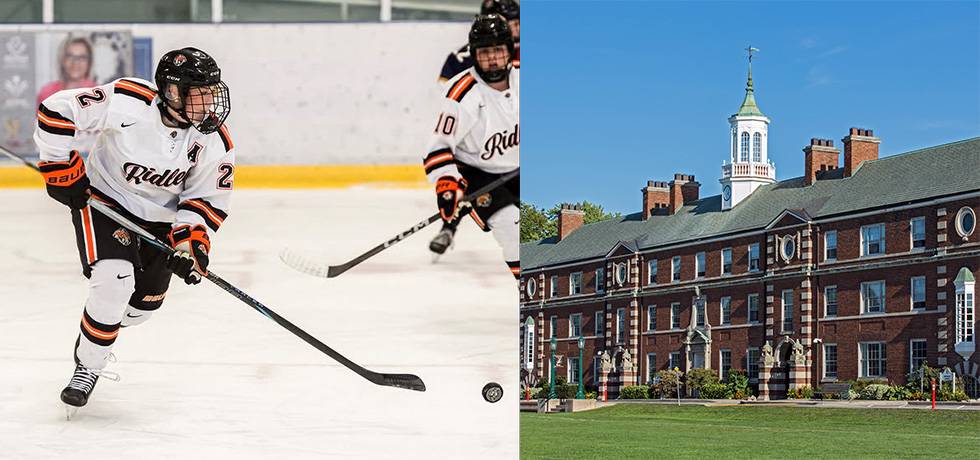
Today, Ridley blends its long-standing values with a modern performance model honouring tradition while investing in facilities, coaching and player support systems.
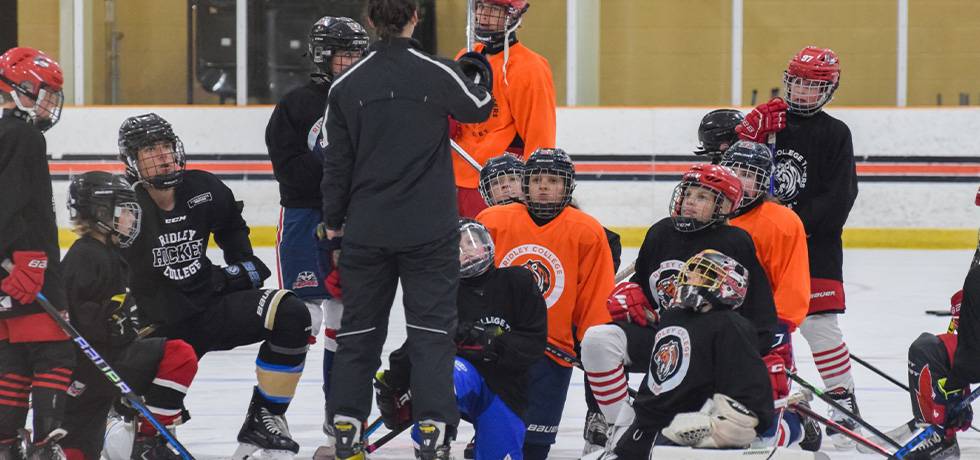
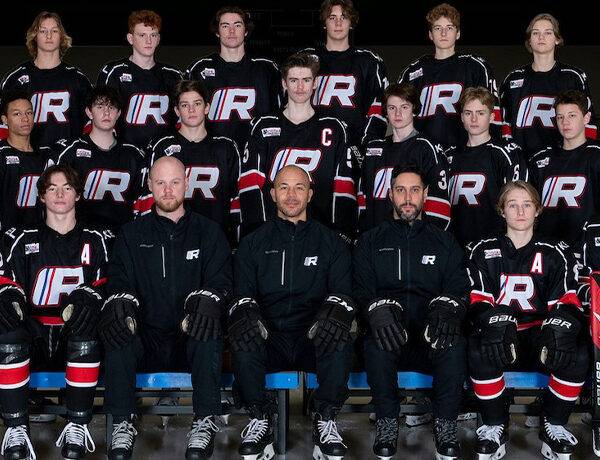
Ridley operates on a schedule closer to a junior program than traditional minor hockey. Players skate daily, work with strength and conditioning staff, attend team video sessions and compete against top academies across Canada and the United States.
For many students, it’s the first time they experience a true high-performance routine.
“That daily consistency is something most minor hockey players never get,” said women’s hockey director and coach Amanda Wark. “We can build habits, correct mistakes quickly, and give them the time they need on and off the ice to grow.”
Teams typically play between 50 and 60 games per season, providing regular exposure to scouts and recruiters.
Ridley’s coaches say the academy model is appealing to families because of the visibility it offers. Scouts from junior leagues, NCAA programs and U SPORTS teams often attend prep-school tournaments and showcases.
“We’re realistic with families,” said men’s hockey director and coach Mike McCourt. “Not every player is going D1 or major junior, but the right development plan can open doors. Our job is helping students find the path that fits them.”
Ridley maintains strong relationships with programs across the OHL, CJHL, USHL and NCAA, which helps students navigate their next steps.
While hockey is a major draw, Ridley’s academic framework remains central to the school’s identity. Students follow a structured class schedule, receive academic support and are expected to maintain their coursework even during travel-heavy weeks.
“Academics matter every bit as much as hockey here,” Wark said. “A lot of our graduates go on to universities where being a student-athlete requires discipline. The balance they learn at Ridley prepares them for that.”
The school’s diverse student population including players from Canada, the United States and overseas contributes to a rich campus environment that emphasizes leadership and personal growth.
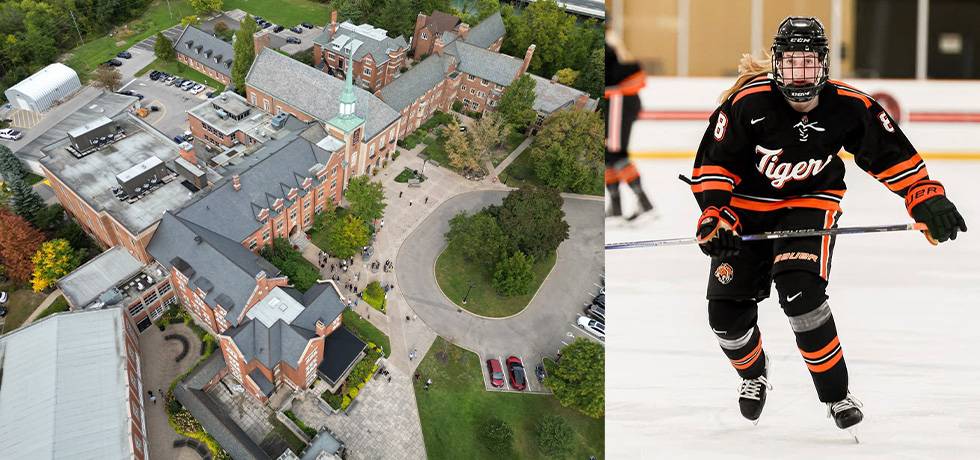
Ridley’s campus includes an arena, a full fitness centre, athletic therapy staff and designated spaces for video review. The convenience of having all facilities in one place helps players build consistency in their daily habits.
McCourt says the environment mirrors what players will see at the next level.
“They learn to take care of themselves physically. They learn nutrition, training, recovery, all those little details that separate good players from great players,” he said.
Across Canada, more families are turning to hockey academies and prep schools for stability and consistent development. The academy path has sparked debate about accessibility, cost and competitive balance, but Ridley coaches say the model’s value lies in structure and support.
“What we promise is development, growth and guidance. Families want structure, safety and balance. That’s where we fit.” McCourt said.
Ridley puts significant emphasis on culture and leadership development. Students participate in leadership programs, community service and team-building initiatives. Coaches say these experiences shape players’ character as much as on-ice training shapes their skill.
“This is about teaching them what it means to be part of something bigger,” Wark said. “We want them to walk out as good people, not just good hockey players.”
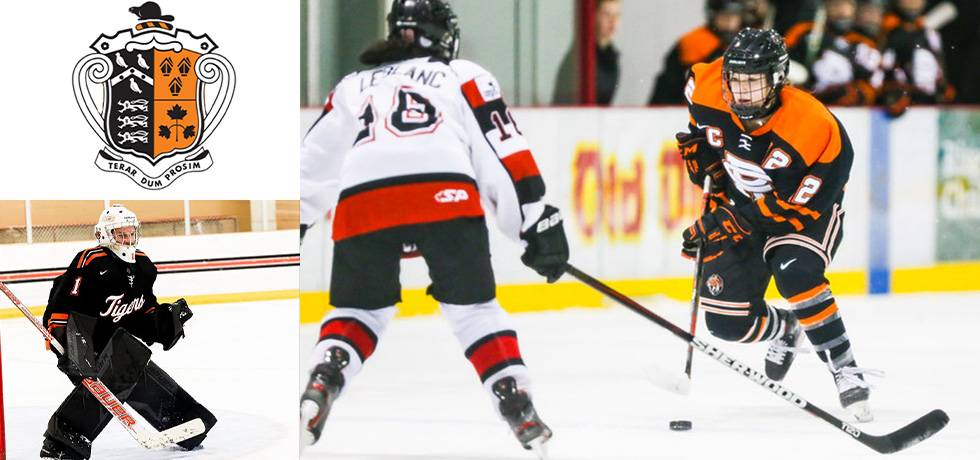
Ridley continues to see graduates move on to junior hockey, NCAA Division I and III programs, U SPORTS teams and national-level opportunities. The school credits its success to the structure and expectations set during players’ time on campus.
“When they move on, the transition isn’t as overwhelming,” McCourt said. “They understand the daily demands. They’re ready.”
With the demand for prep-style hockey programs continuing to grow, Ridley expects its model to keep adapting. The school is focused on refining training methods, expanding support systems and staying aligned with the evolving landscape of player development.
“We want to keep raising the standard,” Wark said. “The game changes, and our approach has to change with it.”
Hockey & Education
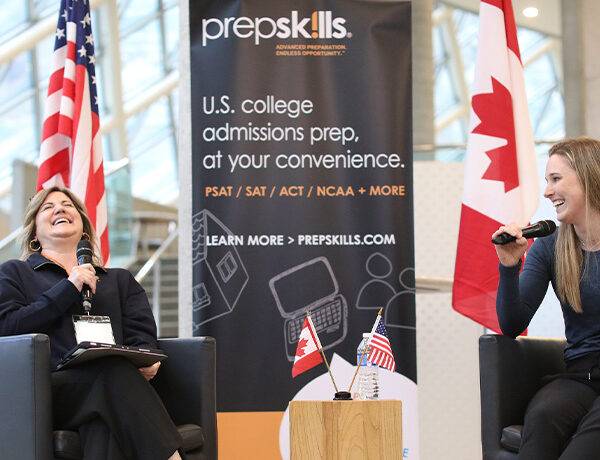
Prepskills will be holding its annual U.S. College Expo to help explain educational requirements for hockey players attending U.S. colleges.
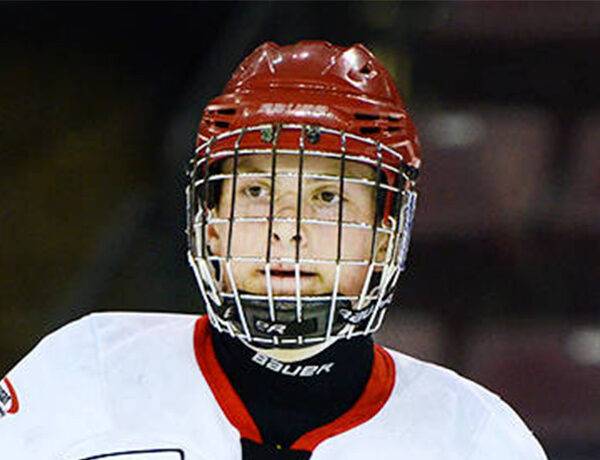
Michael Rasmussen of the Detroit Red Wings looks back at his time at the Okanagan Hockey Academy and it helped his hockey career.
Hockey academies continue to be one of the hottest trend in the sport — for good reason.
THE NEW PATH: Part 1 The NCAA announces that CHL players would now be eligible for NCAA hockey scholarships.

Balancing textbooks and slapshots isn’t easy, but for many young hockey players, it’s part of everyday life.
Academies like RINK Kelowna are proving to be pipelines to a chance at the next level and Jarome Iginla is there to help.
THE NEW PATH: Part2 Is the eligibility rule change a good thing for the CHL itself? The answer to that question is both yes and no.
Elite Level Hockey previews some of the top hockey academies across Canada as the private school option continues to grow.

Team Canada member and three-time Olympian Gillian Apps shares her reasons for choosing to attend university in the United States.
Hockey academies continuing to open paths to college scholarships and spots on major junior hockey rosters.
Elite Level Hockey looks at some of the top hockey academies in Ontario including some fabled hockey institutions.
Hockey academies offer a huge benefit is in the area of skill development for young hockey players trying to reach the next level.
THE NEW PATH: Part3 looks at how the changes to the eligibility rules in the NCAA and CHL are affecting other leagues.
Schoolwork and classroom time around hockey can often be a tenuous balance but education at hockey academies offers structure and support.
Ridley College emphasizes long-term development, academic strength and a culture-driven environment that mirrors elite junior hockey.
The post Hockey Academies: Ridley College appeared first on Elite Level Hockey.