Categories
Hockey

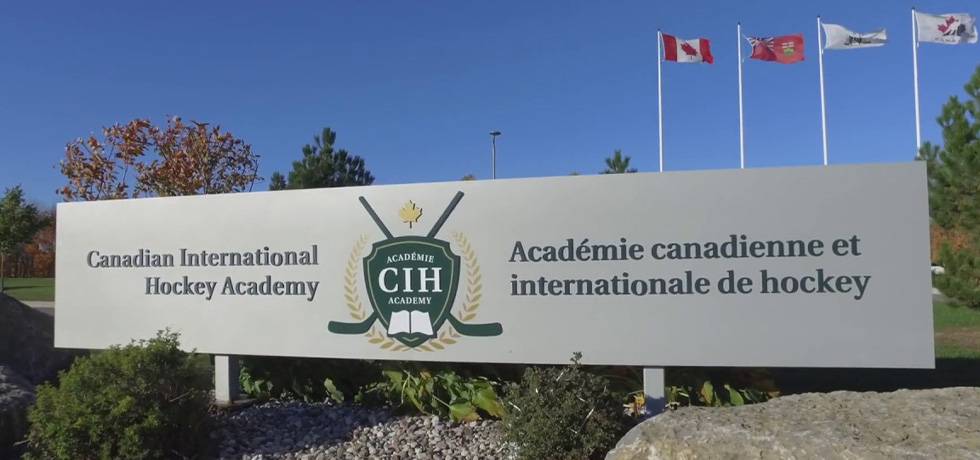
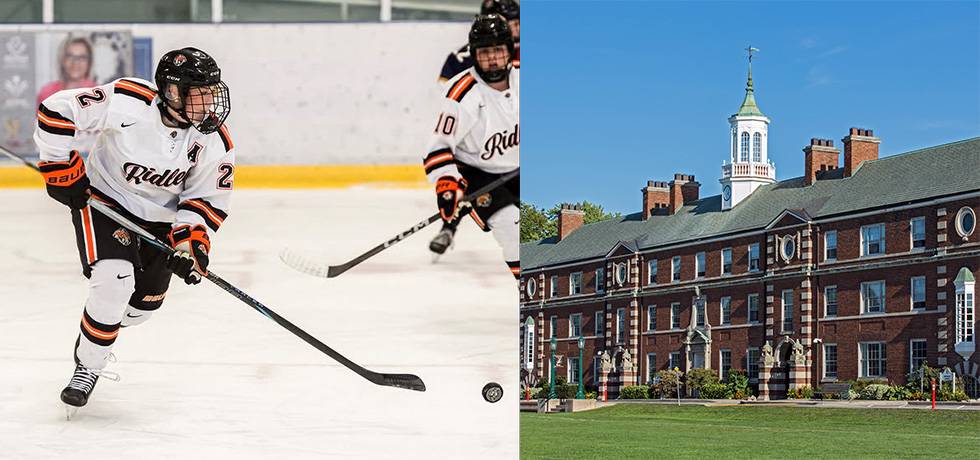
Hockey Academies: Ridley College

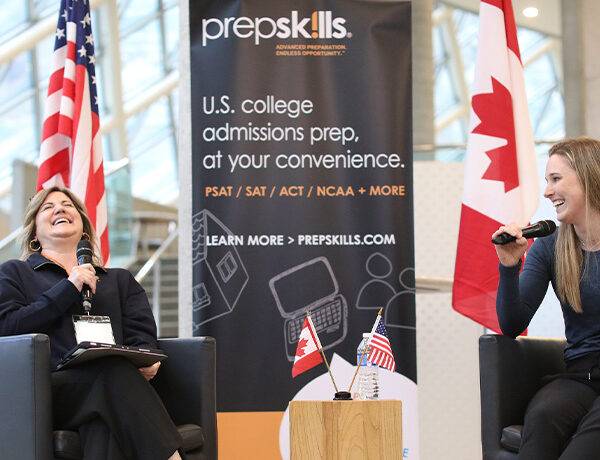
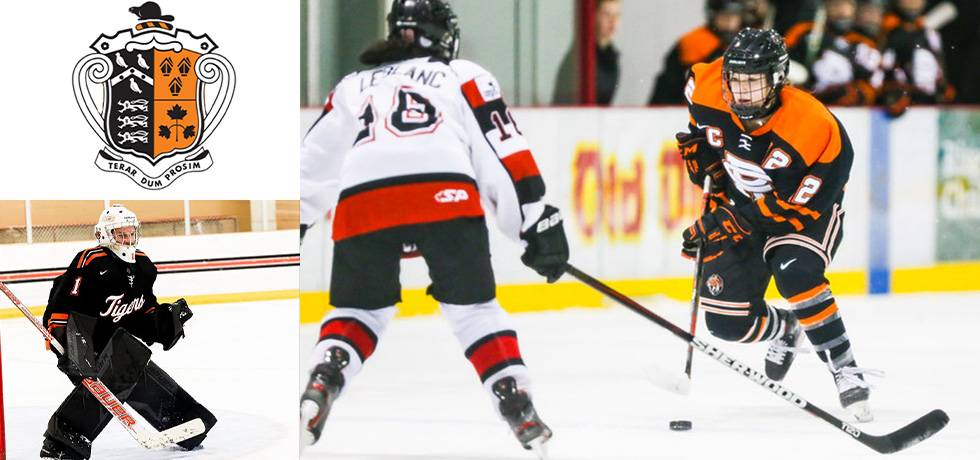
As hockey academies and prep-school programs surge in popularity across Canada, Ridley College continues to carve out its place by emphasizing long-term development, academic strength and a culture-driven environment that mirrors elite junior hockey.
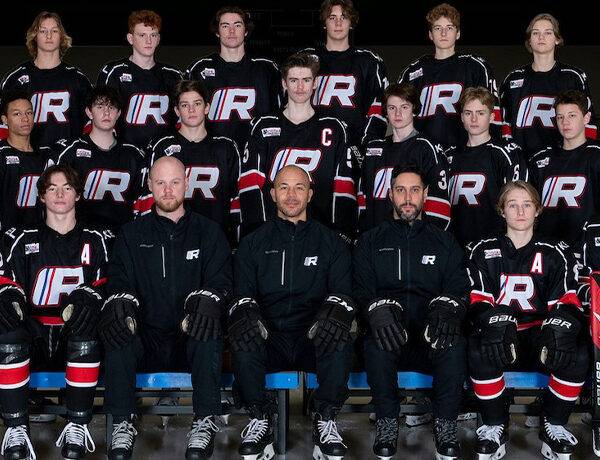
Located in St. Catharines, Ont., the independent boarding school has grown into one of the more recognized prep hockey programs in the country, drawing interest from families seeking a structured, year-round approach. Ridley’s coaches say the program is built on more than ice time; it’s rooted in a tradition that goes back more than a century.

Founded in 1889, Ridley College is one of Canada’s oldest independent boarding schools. Originally established as an Anglican boys’ school, it has evolved into a co-educational institution known for academic excellence, character development and athletics.

Hockey has been a central part of Ridley’s identity for generations. The school’s early teams competed locally before expanding into national and international competition. As the sport grew and the prep-school model gained momentum in Canada, Ridley transitioned from a traditional school-team approach to a high-performance program designed to mirror junior hockey environments.

Ridley College Review

Today, Ridley blends its long-standing values with a modern performance model honouring tradition while investing in facilities, coaching and player support systems.

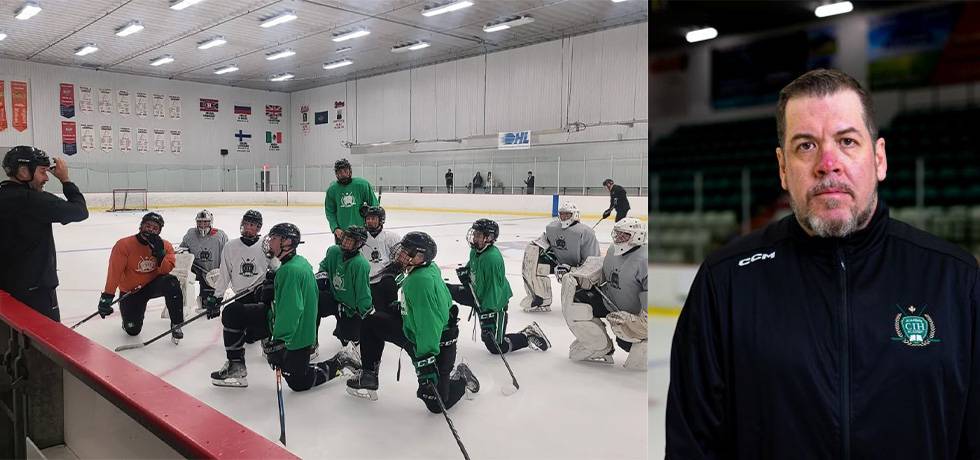
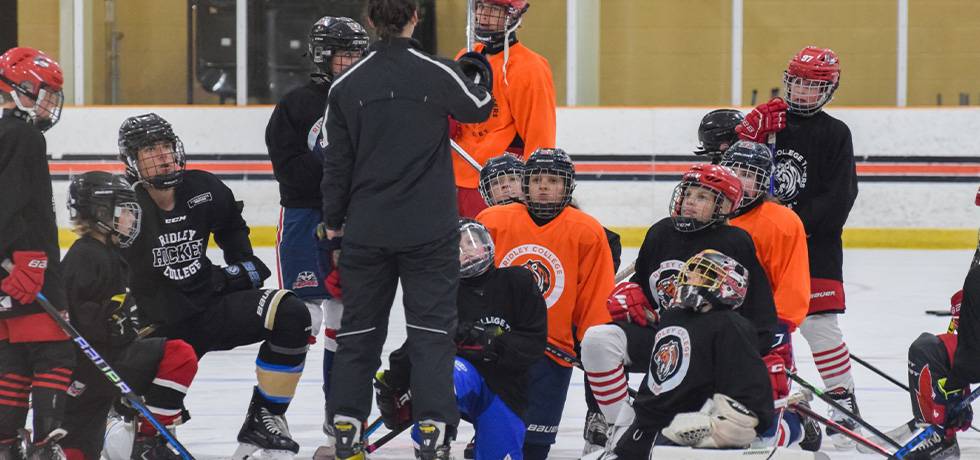
Ridley operates on a schedule closer to a junior program than traditional minor hockey. Players skate daily, work with strength and conditioning staff, attend team video sessions and compete against top academies across Canada and the United States.

For many students, it’s the first time they experience a true high-performance routine.

“That daily consistency is something most minor hockey players never get,” said women’s hockey director and coach Amanda Wark. “We can build habits, correct mistakes quickly, and give them the time they need on and off the ice to grow.”

Teams typically play between 50 and 60 games per season, providing regular exposure to scouts and recruiters.

Ridley’s coaches say the academy model is appealing to families because of the visibility it offers. Scouts from junior leagues, NCAA programs and U SPORTS teams often attend prep-school tournaments and showcases.

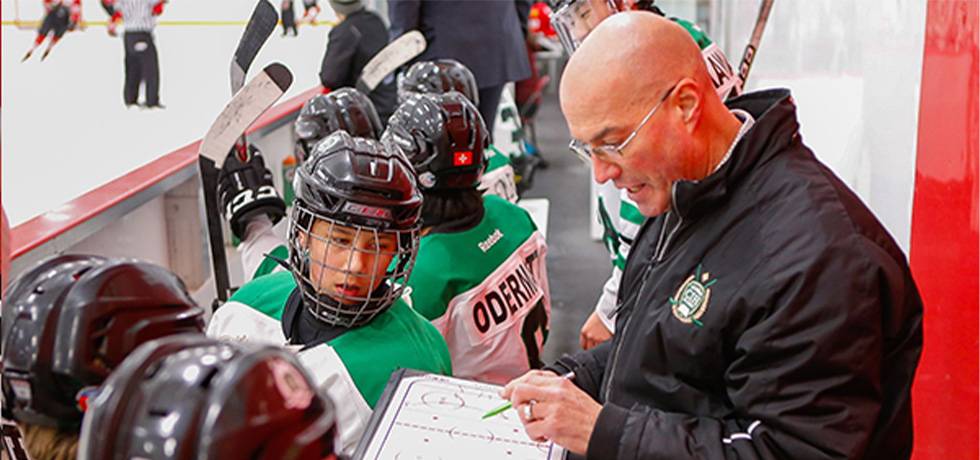
“We’re realistic with families,” said men’s hockey director and coach Mike McCourt. “Not every player is going D1 or major junior, but the right development plan can open doors. Our job is helping students find the path that fits them.”

Ridley College Hockey

Ridley maintains strong relationships with programs across the OHL, CJHL, USHL and NCAA, which helps students navigate their next steps.

While hockey is a major draw, Ridley’s academic framework remains central to the school’s identity. Students follow a structured class schedule, receive academic support and are expected to maintain their coursework even during travel-heavy weeks.

“Academics matter every bit as much as hockey here,” Wark said. “A lot of our graduates go on to universities where being a student-athlete requires discipline. The balance they learn at Ridley prepares them for that.”

The school’s diverse student population including players from Canada, the United States and overseas contributes to a rich campus environment that emphasizes leadership and personal growth.

Ridley’s campus includes an arena, a full fitness centre, athletic therapy staff and designated spaces for video review. The convenience of having all facilities in one place helps players build consistency in their daily habits.

McCourt says the environment mirrors what players will see at the next level.

“They learn to take care of themselves physically. They learn nutrition, training, recovery, all those little details that separate good players from great players,” he said.

Ridley College

Across Canada, more families are turning to hockey academies and prep schools for stability and consistent development. The academy path has sparked debate about accessibility, cost and competitive balance, but Ridley coaches say the model’s value lies in structure and support.

“What we promise is development, growth and guidance. Families want structure, safety and balance. That’s where we fit.” McCourt said.

Ridley puts significant emphasis on culture and leadership development. Students participate in leadership programs, community service and team-building initiatives. Coaches say these experiences shape players’ character as much as on-ice training shapes their skill.

“This is about teaching them what it means to be part of something bigger,” Wark said. “We want them to walk out as good people, not just good hockey players.”

Ridley continues to see graduates move on to junior hockey, NCAA Division I and III programs, U SPORTS teams and national-level opportunities. The school credits its success to the structure and expectations set during players’ time on campus.

“When they move on, the transition isn’t as overwhelming,” McCourt said. “They understand the daily demands. They’re ready.”

With the demand for prep-style hockey programs continuing to grow, Ridley expects its model to keep adapting. The school is focused on refining training methods, expanding support systems and staying aligned with the evolving landscape of player development.

“We want to keep raising the standard,” Wark said. “The game changes, and our approach has to change with it.”

Hockey & Education

The post Hockey Academies: Ridley College appeared first on Elite Level Hockey.

Categories
Hockey

Are mouthguard making a difference?

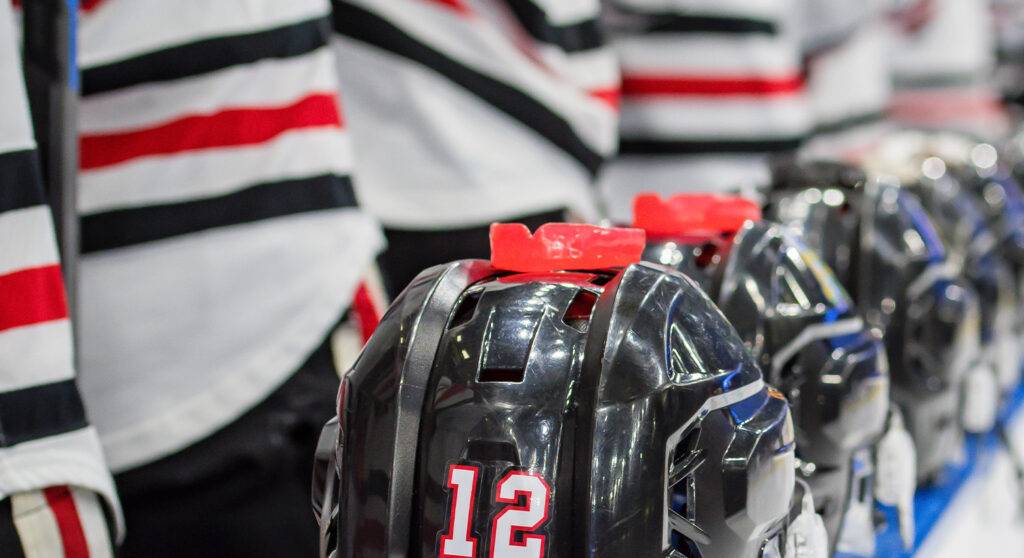
In hockey, every piece of equipment tells a story. Skates and sticks are prized for performance. Helmets and pads symbolize safety. But the mouthguard often chewed, forgotten, or left at the bottom of a bag is at the center of a growing debate. Are they essential protection, or just another piece of plastic players tolerate?

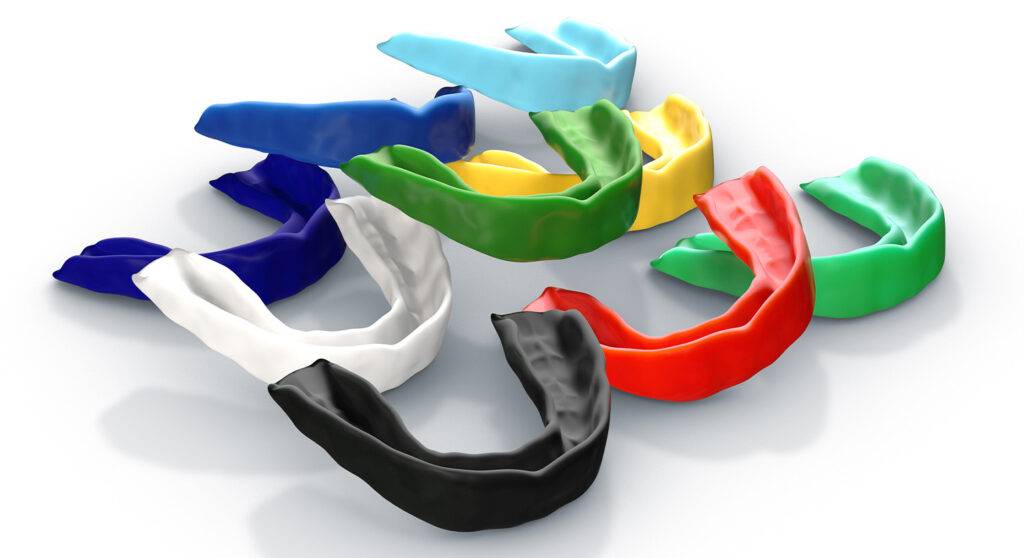
The answer depends on where you play. In Ontario and Manitoba, mouthguards are non-negotiable: every player, every practice, every game. In Saskatchewan and parts of British Columbia, they’re recommended but not required. In Northern Ontario, most leagues leave them optional, though the NOJHL enforces them. And in the United States, USA Hockey mandates colored internal mouthpieces for youth players starting at age 12.

USA Hockey’s Rule 304(f) states:

“All players, including goalkeepers, in the 12 & under (Youth and Girls’) through Youth 18 & under (including High School) and Girls’ 19 & under age classifications are required to wear a colored (non-clear) internal mouthpiece that covers all the remaining teeth of one jaw, customarily the upper.”

The rule even outlines enforcement:

“For the first violation of this rule, the team shall be issued a warning. A misconduct penalty for an equipment violation shall be assessed to any player or goalkeeper of that team for a subsequent violation during that game.”


Local associations make clear the rule isn’t optional. As one policy states:

“Players in age groups 12U and above, in both youth and girls classifications, are required to wear mouthpieces per Rule 304f. This is a USA Hockey rule and may not be waived by a local league.”

For parents and players, that patchwork of rules across organizations raises questions: why is one league so strict while another leaves the choice up to the athlete?

For decades, the mouthguard has been seen as an optional piece of hockey gear: a plastic shield to protect teeth, maybe a jaw, but little more. But emerging research about concussion prevention and growing concerns over microplastic exposure are starting to shift the conversation. The once-simple decision of whether to wear one is becoming a complicated question for players, parents, and governing bodies across the sport.

The debate isn’t new, but the science is evolving. Some medical experts argue that mouthguards may help reduce the risk of concussions by absorbing shock during impacts, especially in collisions involving the jaw. While research hasn’t produced unanimous conclusions, a number of recent studies suggest that players who consistently wear mouthguards are less likely to suffer concussions than those who don’t.


One 2023 study in youth hockey found that players who consistently wore a mouthguard had a 28% lower concussion rate and 57% lower odds of concussion compared with non-users. The researchers concluded: “Policy mandating use should be considered in youth ice hockey.” 

Still, not all experts are convinced. “We’re seeing mounting evidence that mouthguards can be part of a broader concussion-prevention strategy,” said Dr. Francella, a sports medicine physician. “They’re not a magic fix, but they do appear to reduce risk in certain types of impacts.”

Adding another wrinkle, researchers have begun to examine how mouthguards themselves may affect health. Most are made from thermoplastic materials, and players often chew on them for long stretches. That can release microplastics, tiny fragments of plastic now found everywhere from oceans to human blood samples.

“Anytime athletes are chewing on equipment, there’s a chance of ingestion,” said Dr. Francella. “It doesn’t mean we should ban mouthguards, but it does mean we need to start thinking about safer designs and materials.”

For parents, that creates a new dilemma: weighing the potential concussion-prevention benefits against questions about long-term microplastic exposure.

Note: There is a poll embedded within this post, please visit the site to participate in this post’s poll.

The conversation is far from settled. As concussion awareness grows and environmental health research develops, governing bodies may soon be forced to revisit their rules.

A mouthguard may be the smallest piece of equipment a hockey player wears, but the debate around it touches some of the sport’s biggest issues: safety, culture, parental trust, and the science of the unknown.

What was once just a piece of plastic to protect teeth could end up reshaping how hockey defines player safety in the years ahead.

The post Are mouthguard making a difference? appeared first on Elite Level Hockey.

Categories
Hockey

Roustan has big plans for the TRUE Hockey brand

Minor hockey players getting better gear for a lower price?

Is this a true story?

If a Canadian businessman with deep ties to the hockey industry has his way, it will be.

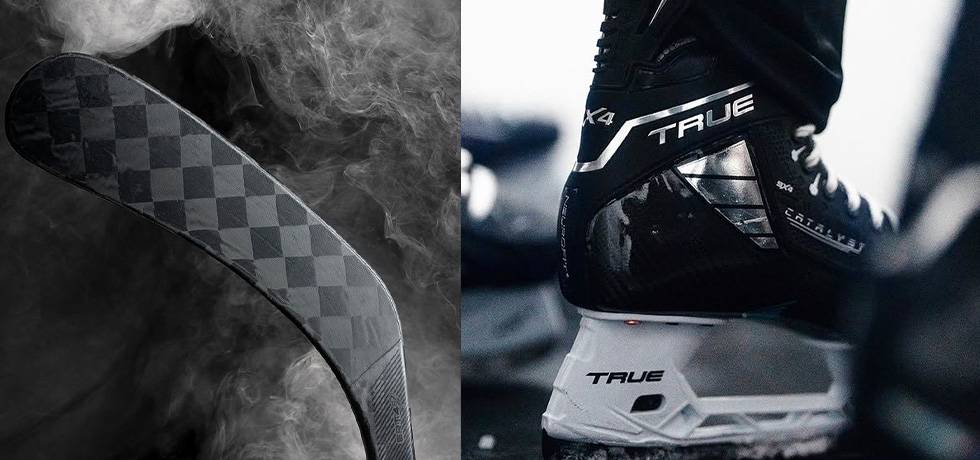
W. Graeme Roustan, chair of Roustan Capital, has acquired TRUE Hockey from TRUE Temper Sports Inc., and says he plans to grow the brand from the grassroots level up.

Roustan said affordability is top of mind, noting that the cost of equipment remains a barrier for many families. He said TRUE will explore ways to make its gear more accessible while maintaining the high standards that have made the brand popular with elite athletes.

“Parents want to know their kids have equipment that is safe, durable and helps them enjoy the game,” Roustan said. “We want to deliver that without forcing families to break the bank.”


“Parents want to know their kids have equipment that is safe, durable and helps them enjoy the game. We want to deliver that without forcing families to break the bank.”

The deal includes the company’s factories in Winnipeg, where it produces custom player skates, and Terrebonne, Que., where it manufactures goalie equipment. TRUE’s European Union headquarters in Gothenburg, Sweden, will also be part of the operations moving forward.

The company’s new global headquarters will be based in Brantford, Ont., at the facility that has housed Roustan Sports since 2019.

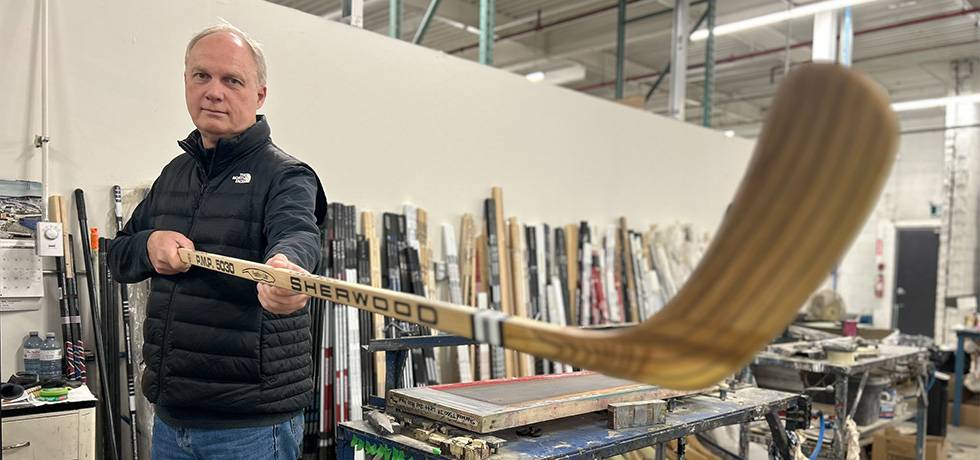
Roustan, who also owns the Sher-Wood brand,  is no stranger to the hockey world. In 2008, he led the acquisition of Bauer from Nike and served as chairman, helping guide the company to more than 50 per cent market share globally. He said he intends to replicate that kind of growth with TRUE.

“TRUE has already established itself as a leader in custom skates and goalie gear,” Roustan said. “My focus is on building on that reputation, scaling up, and making the brand even stronger across all levels of the game.”

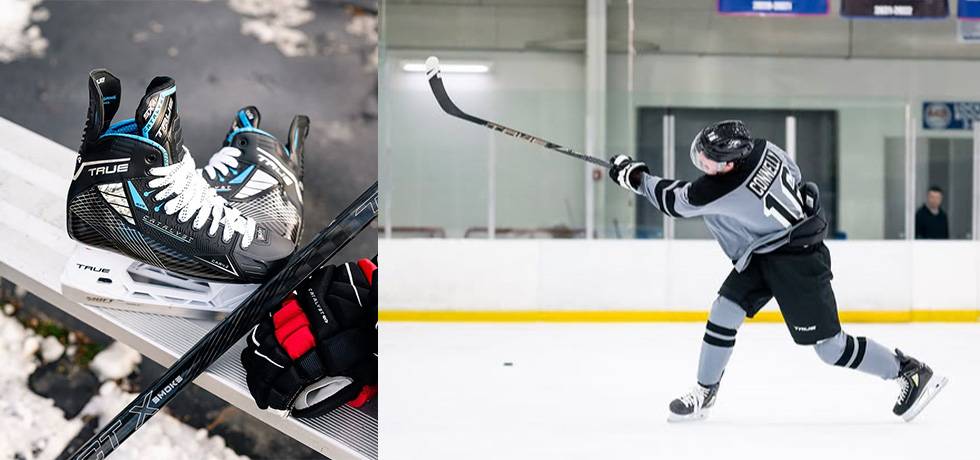
TRUE products are used by NHL and PWHL stars including Connor Hellebuyck, Mitch Marner, Brady Tkachuk, Jordan Binnington and Natalie Spooner. While Roustan is confident the brand can continue to capture market share at the professional level, he stressed that the real opportunity lies in grassroots hockey.

“I believe the future of our sport depends on how well we support minor hockey,” he said. “It’s where every player starts whether they go on to the NHL or just play for fun. TRUE can play a role in making that experience better.”


He also pointed to potential partnerships with minor-hockey associations, local clubs and community programs. Those could include sponsorships, team discounts, or development clinics featuring professional athletes who use TRUE equipment.

“Minor hockey is where the passion begins,” Roustan said. “If we can connect with young players early on not just by selling them equipment but by being present in their communities it creates a lasting relationship with the game and the brand.”

The move is another boost to Brantford’s sporting identity. The city is home to the Wayne Gretzky Sports Centre and has a rich hockey history. With TRUE’s global headquarters now in town, Roustan said there will also be local benefits, including jobs and closer ties between the company and grassroots programs in Ontario.

Roustan said further details about grassroots initiatives will be announced in the coming months, but made clear his vision for the brand extends beyond just the pro ranks.

“Now it’s about making sure every young player who pulls on a pair of skates or straps on goalie pads feels the same level of pride in the equipment they use.”


The post Roustan has big plans for the TRUE Hockey brand appeared first on Elite Level Hockey.

Categories
Hockey

Preseason Checklist for Hockey Parents

Getting your child ready for house league hockey can feel like a big task, but a little preparation before the season starts makes all the difference. Here’s a checklist to help parents hit the ice with confidence:

Equipment Check

  • Helmet: Ensure it’s CSA-approved, fits properly, and hasn’t expired.
  • Skates: Make sure they fit, are laced properly, and get them sharpened before the first ice time.
  • Protective Gear: Shoulder pads, elbow pads, shin guards, gloves, pants, jock/jill strap, and neck guard should all fit securely.
  • Stick: The right height (up to the chin with skates on) and a comfortable flex for your child’s age and size. Learn more about how sticks should be sized here.
  • Mouthguard: Essential for safety and often required by leagues. Make sure it fits and is clean, including the case.
  • Extras: Hockey socks, jerseys (supplied by the league in most cases), tape, and a water bottle.
  • Label Everything: With so many kids in the dressing room, names on equipment help prevent mix-ups.

Administrative Prep

  • Double-check registration is complete and fees are paid.
  • Review practice and game schedules and add them to the family calendar on your devices.
  • Confirm any volunteer roles you’ve signed up for (bench help, timekeeping, fundraising, etc.).
  • Keep a copy of your league’s rules and policies handy (equipment requirements, code of conduct, and safety guidelines).

Home Organization

  • Create a hockey bag routine: Pack gear the night before to avoid last-minute scrambles.
  • Store a spare set of tape, laces, and water bottle in the bag.
  • Establish a pre-game routine (healthy snack, water, enough sleep the night before).
  • Make a laundry plan: jerseys, socks, and base layers will need regular washing.
  • Do not forget to clean mouthguards regularly!

Mindset & Expectations

  • Remind your child about sportsmanship — respecting teammates, coaches, referees, and opponents.
  • Talk about effort over results — house league is about learning, fun, and skill development.
  • Encourage independence: Kids can start tying skates, packing gear, and taking responsibility for their own preparation.
With this checklist, parents can focus less on the stress of preparation and more on what really matters — watching their kids make friends, gain confidence, and fall in love with the game of hockey!

The post Preseason Checklist for Hockey Parents appeared first on Elite Level Hockey.

Categories
Hockey

How coaches prepare for the season

While minor hockey players spend the summer hitting the gym and sharpening their skills, their coaches are doing their own pre-season work often long before the first whistle blows.

From designing practice plans to scouting new talent, coaches say offseason preparation is as much about strategy as it is about building team culture.

“It’s not just about what happens on the ice,” said Scott Campbell, head coach of the Whitby Wildcats U18 AAA team. “You’re looking at systems, you’re looking at line combinations, but you’re also figuring out how to get a group of players to buy in from day one.”

For many coaches, the off-season starts with evaluating last year’s roster and filling gaps. That can mean watching summer tournaments, fielding calls from parents, or reviewing videos of potential recruits.

“You want to know who can step into certain roles,” Campbell said. “If we lost a key penalty killer or power-play guy, we’ve got to find that skill set before camp.”

Once rosters start to take shape, the focus shifts to systems and practice plans. Coaches spend hours breaking down drills that will help players learn forechecking patterns, defensive coverage, and special teams play.

“You can’t throw too much at them right away,” said Greg Nemisz, who is an assistant coach with the Oshawa General. “The first few weeks are about establishing structure, but also making sure players feel confident in their roles.”

Some coaches even run pre-camp sessions to test out new drills before committing them to a regular rotation.

“I’ll bring a few kids in and try a couple of new breakouts or power-play looks,” Campbell said. “If it works, we build on it. If it’s clunky, we scrap it before camp starts.”

Coaches say pre-season meetings and communication are critical for setting expectations. Some will host team-building activities before the season even starts from off-ice workouts to group barbecues.

“We’ll do a barbecue, or a dryland training session where we mix the younger and older guys,” Campbell said. “It’s not just about fitness it’s about trust. If the guys believe in each other early, it makes a huge difference when the games get tough.”

Leadership roles are often identified before the season even starts. Some coaches name captains during camp, while others prefer to let the room decide after a few weeks.

“You can usually tell who the leaders are,” Campbell said. “They’re the ones asking questions, helping rookies, and pushing the pace in practice.”

For coaches at the minor level, the challenge is balancing long-term player development with the immediate goal of winning games. That’s why many use the off-season to review player feedback, study new coaching trends, and even attend development clinics.

“I always say that the season doesn’t start in September, it starts in June,” Campbell said. “By the time that first puck drops, you’ve already put in months of work to set the team up for success.”

“The game changes every year,” Campbell said. “You have to adapt your approach if you want your players to grow and succeed.”

As the final weeks begin to arrive the pace picks up. Coaches juggle ice schedules, parent meetings and tryouts all while fine-tuning their game plan.

“It’s busy, no doubt, that’s the part I love,” Campbell said with a smile. “All the planning, all the prep, it’s about to become real. And from that point on, it’s full speed ahead.”

The post How coaches prepare for the season appeared first on Elite Level Hockey.

Categories
Hockey

Beware of Online Hockey Equipment Fraud

Buying hockey gear online has never been more convenient but for Canadian families, it’s also never been more risky.

From counterfeit sticks to fake retailer websites, scam operations targeting hockey parents, players and rec leagues are becoming harder to spot. Experts say being cautious and knowing what to look for can save buyers from losing hundreds of dollars or ending up with unsafe equipment.

The RCMP says it frequently hears from Canadians about fraudulent websites and urges the public to take caution when shopping online.

“When buying or selling online, criminals exploit the internet’s anonymity,” the RCMP said in a statement. “Always verify sellers and be wary of deals that sound too good.”

Online shoppers say some fake sites closely mimic the look and branding of legitimate hockey retailers. They often feature sleek layouts, discounted gear, and brand-name logos. But behind the scenes, many offer no customer service, no working contact information, and no intention of fulfilling orders.

“I paid for two sticks and after weeks of silence, I never got anything,” said Jason Miller, an Ontario-based rec league player. “The site looks professional, but once you try to reach customer service, it’s impossible to get a straight answer.”

Others report receiving tracking numbers that never lead to delivery, dealing with invalid emails or phone numbers, or finding surprise charges added after checkout. Some even receive products but they arrive damaged, fake or clearly not what was advertised.

“There were charges on my credit card but no package arrived,” said another buyer on a hockey forum.

“You might think you’re getting a deal on a top-end stick, but what shows up could break in two shots or not show up at all,” said Vince Giffin, who works for CCM.

Experts say visual clues can help buyers spot scam sites. Some listings use low-resolution images or copy product photos from real retailers.

“The photos on the site looked blurry or low-quality, like they were copied from somewhere else,” said Steve Maxwell, a certified trainer in Durham Region. “That’s a red flag. Legitimate retailers usually use clean, branded images.”

While counterfeit gear can be a financial setback, it can also pose safety risks especially if helmets, pads or goalie equipment don’t meet certified protection standards.

Buyers are encouraged to take several precautions:

  1. Verify contact information on the site.
  2. Check online reviews and complaint forums.
  3. Avoid payment methods like e-transfers or wire transfers.

If you believe you’ve been scammed, the RCMP recommends contacting your bank immediately, reporting the incident to the Canadian Anti-Fraud Centre, and alerting local authorities.

The post Beware of Online Hockey Equipment Fraud appeared first on Elite Level Hockey.

Categories
Hockey

Swift Hockey Shoots to Make Hockey Less Expensive

In a sport known for skyrocketing costs, Swift Hockey is skating against the grain.

Founded in 2022, the Canadian company is on a mission to make hockey more affordable by offering high-performance sticks at a fraction of the usual price. Instead of charging $300 or more for a new twig, Swift sells its pro-level composite sticks for just $129.

“The company was started off with the belief that everyone should be able to play hockey no matter what race you are or what class you come from,” said Max Larivière, Swift’s head of marketing and business development. “Hockey has become too expensive.”

That belief comes from the experience of Swift’s founder, Zechariah Thomas, who launched the company after years of watching teammates struggle to keep up with the rising costs of hockey gear.

Thomas picked up hockey at age 10, and while his parents managed to support his growing love for the game, he saw others forced to step away due to financial pressure.

As a teen, he would often hand down his own sticks to friends who couldn’t afford replacements, a habit that would later inspire the foundation of Swift Hockey.

Swift operates entirely online, cutting out the middleman to keep prices low. 

Swift now ships thousands of sticks across Canada and the U.S. each year, many of them going to grassroots hockey families who say the savings are a game-changer.

Swift’s sticks are designed with input from current and former professional players.

Larivière said the company is always listening to its customers when it comes to product development.

“We take all the feedback that we can,” he said. “Eventually we’ll be coming out with a new line that takes in everything we’ve heard from our larger consumer base and puts it into action.”

That feedback is backed by rigorous testing and a major investment in innovation.

“We’re spending hundreds of thousands of dollars on research and development for every new line,” Larivière said. “It’s just testing, testing, testing. We have to make sure the sticks stay lightweight and have the same pop that the competitors do.”

He added that besides performance, aesthetics and feel matter a lot to players.

“The graphics have to look good and there’s a ton of different things,” Larivière said. “But hockey players are very particular about what they like. If it doesn’t feel right, no one’s going to use it. The main thing is just the feel, the pop of the stick, the flex, everything. It just has to be perfect. On top of that, we have to keep the weight down to be in that premium stick range.”

Ryan Ellis, who helps oversee management, logistics and product development at Swift, said the process of launching a new stick begins with the smallest details.

“Everything always starts off with an idea here,” Ellis said. “Say we have a new stick coming out, we start by picking the direction we’re going in, whether it’s a player or goalie stick. Then we break it down even further based on kick points where the stick flexes. Once we finalize the design, we get some demos and samples in and allow pro players to use them. From there, it’s either time to make changes or it’s good to go for a launch.”

Still, breaking into the hockey gear market hasn’t been easy. Larger brands dominate shelf space and have deep marketing budgets. Swift relies on grassroots support and the occasional viral video to build its name.

Earlier this year, a video of a minor hockey team in Manitoba unboxing their new Swift sticks racked up more than 200,000 views on TikTok.

As hockey continues to grapple with affordability and access, companies like Swift are playing an increasingly important role. Hockey Canada estimates that more than one in four families struggle to keep up with the cost of the game, with equipment being one of the biggest barriers.

Swift Hockey hopes to continue growing its reach across North America and beyond expanding its lineup, scaling production and forming new partnerships. While the company is still young, its mission remains focused: Making hockey more accessible for the next generation.

With each new stick, Swift is working to change the game one shot at a time.

The post Swift Hockey Shoots to Make Hockey Less Expensive appeared first on Elite Level Hockey.

Categories
Hockey

Tough task of stickhandling school and hockey

Balancing textbooks and slapshots isn’t easy, but for many young hockey players, it’s part of everyday life.
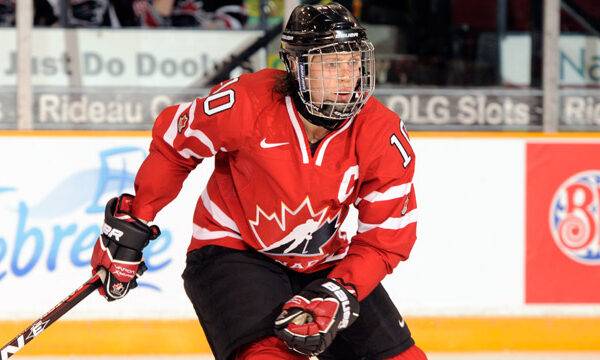
Between early morning practices, weekend road trips and hours spent at the rink, finding time for schoolwork can be a challenge. Yet, players from minor hockey,  junior leagues and college/university teams say staying on top of academics is as important as staying in game shape.

“It’s definitely tough,” said 17-year-old Owen MacDougall, a defenceman with the Ontario Junior Hockey League’s Aurora Tigers. “There are days you’re waking up at 6 a.m., skating for two hours, then going straight into school and trying not to fall asleep in math class.”

MacDougall attends classes online through a flexible program offered by his school board. It’s a common option for players chasing major junior or college hockey dreams while still working toward a diploma.

Teams and leagues have taken steps to support players academically. The Canadian Hockey League (CHL), which governs major junior hockey, requires players to attend school and assigns academic advisors to each team. U Sports, the national governing body for university sport in Canada, emphasizes academic eligibility and graduation.

At the university level, the balance can be just as intense.

“You’re writing papers on the bus, studying in hotel rooms, and trying to stay sharp on the ice,” said Sophie Dubois, a forward for the Université de Montréal Carabins women’s team. “Time management is everything.”

Dubois, who is majoring in kinesiology, said her coaches and professors are understanding but the responsibility still falls on the players to meet deadlines and maintain grades.

“We’re student-athletes, not just athletes,” she said. “If you’re failing your classes, you’re not going to be in the lineup either.”

According to U Sports, more than 94 per cent of its athletes graduate with a degree, with many going on to careers in medicine, law, business and education. Still, the demands of high-level hockey can take a toll.

Mental health professionals say student-athletes are at increased risk for burnout due to the combined pressures of school and sport. Many teams now offer access to counselors and wellness resources to help players manage stress.

“Sometimes it’s overwhelming,” said MacDougall. “There are nights where you’re dead tired, and you’ve still got two chapters to read and an essay to finish. But having goals beyond hockey helps keep you focused.”

For those playing in the Canadian Hockey League (CHL) the umbrella organization for the OHL, WHL and QMJHL school is a mandatory part of the experience. Players are required to attend classes, and each team employs an academic advisor to help with course planning, tutoring and support.

The CHL also offers a scholarship program for players who don’t go on to professional hockey. For every year a player spends in the league, they receive a year’s worth of post-secondary tuition, a major incentive for many families.

“It’s a huge help,” said Mike LeBlanc, whose son plays for the Cape Breton Eagles of the QMJHL. “Even if hockey doesn’t work out, we know his education is taken care of.”

Still, the path isn’t always smooth. Some players delay post-secondary education to focus on hockey full-time, especially if they’re pursuing NHL dreams. Others return to school in their twenties after their playing days are over.

But for those who stay the course, the reward is twofold: a shot at hockey glory, and a future beyond the game.

“I know hockey won’t last forever,” MacDougall said. “I love the game, but I’m also thinking about what comes after and school is a big part of that.”

Hockey & Education

The post Tough task of stickhandling school and hockey appeared first on Elite Level Hockey.
Categories
Hockey

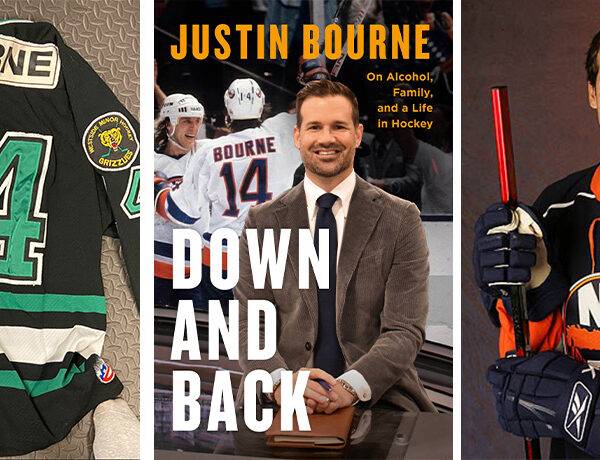
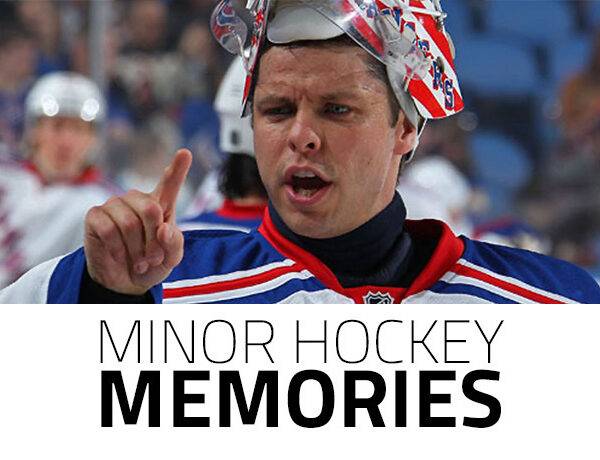
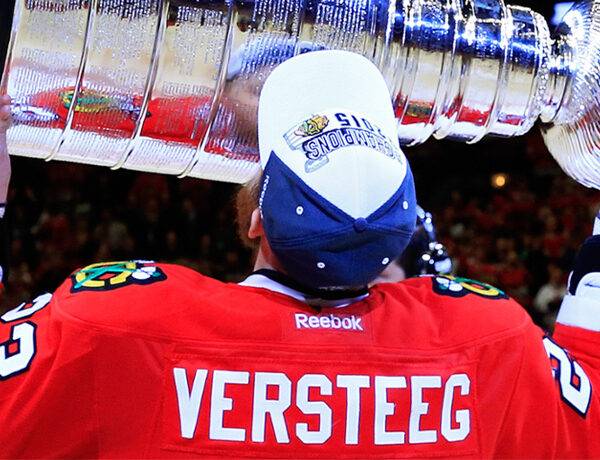
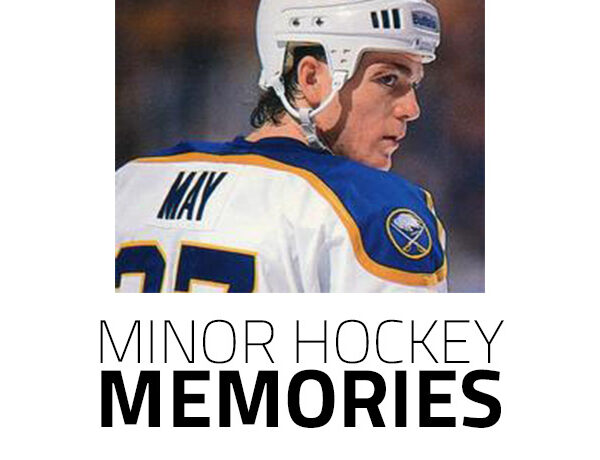
Minor Hockey Memories: Justin Bourne

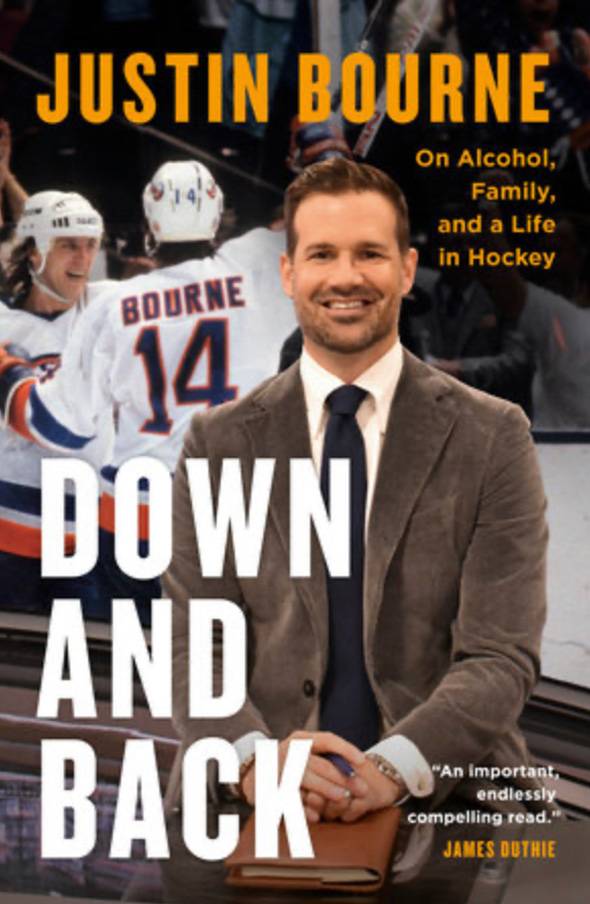
Elite Level Hockey recently asked a number of former professional players to reminisce about their favorite youth hockey memories. Current Sportsnet hockey analyst and former New York Islander Justin Bourne just wrote a book about hockey called Down and Back and he shared an excerpt about his minor hockey memories.

Growing up in Kelowna’s minor hockey system (more specifically, Westside), I had just played where they put me and enjoyed it, with absolutely zero thoughts of hockey as a potential “career.” I didn’t play at the top levels of pee wee or bantam (I usually played B rep), and that, combined with being an athletic guy who was more than familiar with the game, meant I tended to score a lot. Since I was always playing at a level that matched my development, I was always among the top few in goals and points, which contributed to a love for playing. I can’t imagine that struggling to keep up at the highest level you can play without embarrassing yourself is a great time, nor is pining for more ice time. In my first year of midget hockey, at 15, I got a nice surprise: enough players had given up on the game-as they do at that age-that I made the A rep team, though I assure you it was a numbers thing. I think there was one total cut, two at the most, that first year.

That was my first crack at integrating with the recognizably good players at my high school-those guys who wore their hockey tracksuits to school and for whom Hockey Player was part of their personal identities. You’d think that would’ve been me, too, given my upbringing, but if I was at all perceived that way, I certainly never felt the part. All that blue and orange and Stanley Cup stuff felt like artifacts of my childhood, not something connected to my own playing.

Minor Hockey Memories with Justin Bourne

Down and Back

Down and Back tells broadcaster Justin Bourne’s story of following his Hall-of-Fame father not only to the NHL, but also into rehab.

Bob Bourne was everything a son wants to emulate—an NHL All-Star, a Sports Illustrated “Sportsman of the Year,” a Stanley Cup champion. Justin Bourne followed in those huge footsteps, leading his teams in scoring year after year, and finally garnering an invitation to the New York Islanders’ training camp—the same team his father had played for. But Bourne was also following his father down a darker path.

For someone outside of that group, looking up from the divisions below, the culture felt
intimidating the constant ball-busting, the (perceived) unshakable confidence. When hockey gets accused of not being welcoming, I immediately understand the vibe as something like what I felt then, even though I’m not at all someone the game wouldn’t welcome with open arms. I was fortunate enough to know that when I tried to get in, the initial reaction would be to give me a chance, and I recognize that not everyone gets to start there.

And I learned that, as with exclusive clubs, it’s usually fun once you’re in, but getting in comes with friction for many.

My first-year midget team was unremarkable, aside from the surprise that I still scored at as good a clip as I had in lower leagues.

Something else changed, too. Somewhere within that year, I had one of those growth spurts you hear about a lot from athletes, where I grew like six inches in a year and suddenly my résumé went from “scores a lot” to
“scores a lot and is six feet tall at 16 years old”—and apparently scouts liked that combination.

I played well enough and carried myself well enough in that first year of midget to be named captain in year two. (To this day, I’m certain that one of the coaches didn’t want to be seen as picking his own very deserving son, so I’ll give a shout-out to Brad and Brandon Miller for defaulting to me as the next choice.) And boy, oh boy, did we have a year, from the drop of the puck to the end.

We won and won and won, and before you knew it, little Mount Boucherie Arena was packed with high school kids on game nights. We were a deep-scoring team, including from the back end, and it’s there that I laid the foundation of my understanding of the
“start-of-season snowball.” When a team wins early, players start to believe in one another, and believe in what the coach is saying. It simplifies things when you know you just have to execute the plan, instead of wondering if the plan (or talent) is good enough.

Thinking back to how I felt during the high-stakes games at the end of the season, I can’t believe my heart rate ever came down. In the end, we won the league championship in front of our raucous school friends and parents.

Our terribly bleached-blond group became the first team from our area to win a provincial championship, and I’m not sure there’s a game I played after those tournament games that mattered as much to me on game day as those ones did.

Those championships you win at the minor hockey level are just so different from those at the junior or college or pro level. There’s a case to be made that they mean more. The players you win with in minor hockey aren’t just teammates; in many cases, they’re the kids you grew up with. I’ll never forget the tears in the eyes of one of my closest friends, Dave Cunning, before the final game, talking about the chance to win something like that together after so many years playing side by side.

The Stanley Cup is the pinnacle of our sport, the greatest accomplishment a hockey player can put on his résumé, and so, in turn, winning it is a wildly emotional experience for players. It’s everything in our game, right? But far more people have championships as kids with profound emotional meaning, given what the title meant to them and their friends around them, in that moment.

These people, myself included, feel an attachment those championships as strongly as if they were Stanley Cups, because they mattered then as if they were.

This was my first experience with real hockey success, at least at a meaningful level, that didn’t belong to someone else. While it was the end of the season, it was also the start of something.

We make light of people who won’t let go of big moments from sporting “glory” days of yore, but they matter so much because you only get a crack or two at each respective level on the way up, and once you age out of the hockey system, it’s extremely uncommon to replicate the forging of team bonds with adults the way you do as kids with your teammates.

The endorphin rush is no less significant when you win at the lower levels on your way up. It’s made more meaningful by the fact that, for kids, bigger trophies are still on the table down the road. Beer-league trophies are a cool win, but the success ends there. As a kid winning a title, you’ve won all you are eligible to win … for now. “There could be better ahead” is the positive backdrop of childhood titles.

I scored our first goal in that provincial final, but we were down 2-1 halfway through the third period when two of our defencemen, Travis Parro and Travis Martell, found the back of the net, and we hung on. I put home an empty-netter to cap it off, and at long last Westside took its first-and-still-only province- wide title.

It’s funny. I still often cry when I see the Stanley Cup handed out and players achieve their lifelong dreams. I know how meaningful it is, and I’ve explicitly seen how it can change the lives of those who win it. Part of the reason I get so happy for guys is that I know that to get there, they’ve had to navigate more than just hockey-there’s politics and luck and the whole business of the game. The wins in minor hockey, while not without the occasional bit of politics along the way, mostly have a greater purity.

That championship remains one of my most meaningful hockey accomplishments, so I’ll give a shout-out to a great group of guys from what’s now West Kelowna.

More Minor Hockey Memories …

The post Minor Hockey Memories: Justin Bourne appeared first on Elite Level Hockey.
Categories
Hockey

The Battle to Prevent Concussions Continues

Concussions remain one of the most serious concerns in minor hockey, but experts say there are clear steps coaches, parents, and governing bodies can take to reduce the risk of head injuries among young players.

While the sport continues to evolve with a greater emphasis on speed and skill, physical contact remains a core part of the game. That reality, combined with developing brains and bodies, makes injury prevention in youth hockey critically important.

Nilu Mahavitane, a Physiotherapist in Pickering ONT, says the first step is education, making sure coaches, players, and parents all understand what a concussion is and how to spot the signs.

“We know that early recognition and proper management are crucial,” Mahavitane said. “We need to keep reinforcing the idea that no hit to the head is worth risking long-term brain health.”

Concussions in hockey graphic

Hockey Canada has made concussion education mandatory for coaches at all levels, and several provincial hockey associations now require annual training.

Properly fitted helmets are essential, but they aren’t a magic bullet. No helmet can fully prevent a concussion. But new designs with improved padding and shock absorption can help reduce risk.

Beyond equipment, experts say teaching body-checking techniques especially how to deliver and receive contact safely can play a major role. Several studies have shown that delaying the introduction of body checking until age 15 significantly reduces injury rates.

“Hockey isn’t about taking people out of the game, it’s about keeping them in it,” said Mahavitane.

Officials and leagues also play a critical role in concussion prevention by cracking down on dangerous hits, especially those involving contact to the head or from behind.

Hockey Canada introduced the “zero tolerance” head contact rule in 2011, but critics argue enforcement remains inconsistent across regions and levels of play.

“Penalties need to be called consistently, and the message has to be clear: head contact won’t be tolerated,” said Karen Douglas, a parent advocate with stop concussions

Founded by former NHLer Keith Primeau and neurosurgeon Dr. Karen Johnston, StopConcussions.com is a global concussion awareness and education platform. It works with athletes, coaches, parents and medical professionals to promote safer play and provide tools to recognize and manage head injuries in sport.

“We’re not trying to take contact out of hockey; we’re trying to take reckless, dangerous play out of the game so kids can play hard, have fun, and stay healthy.” said Douglas.

Ultimately, experts say the long-term solution lies in shifting the culture of the game. That means moving away from glorifying big hits and promoting a style of play that values skill and sportsmanship.

Ultimately, experts say the long-term solution lies in shifting the culture of the game. That means moving away from glorifying big hits and promoting a style of play that values skill and sportsmanship.

Former NHLer Eric Lindros, who suffered multiple concussions during his career, has become a vocal advocate for change.

“Concussions are a real and potentially life-impacting injury. They should be taken very seriously,” Lindros said in an interview with Personal health news “If they are diagnosed early and treated with caution, in all likelihood you will make a full recovery.”

Lindros emphasizes that parents, players, coaches, and officials must work together to foster a safer hockey environment starting with the youngest players.

As minor league organizations across the country prepare for another season, experts agree: The future of hockey depends not just on developing better players, but on protecting the health and safety of every child who laces up their skates.

With more awareness, better training, and a shift in mindset, minor hockey can continue to grow while protecting the health of the next generation of players.

The post The Battle to Prevent Concussions Continues appeared first on Elite Level Hockey.